
Choosing a wedding dress is often talked about as a decision, but in truth it is a discovery. A slow unfolding of shape, fabric, and emotion. Before labels and silhouettes, a dress is a feeling. The way it moves. The way it holds you. The way it allows you to be present.
Wedding dress styles exist not to limit you, but to offer language. A starting point. A way to understand what feels most like you.
This is not a rulebook. It is an invitation.
The A-Line
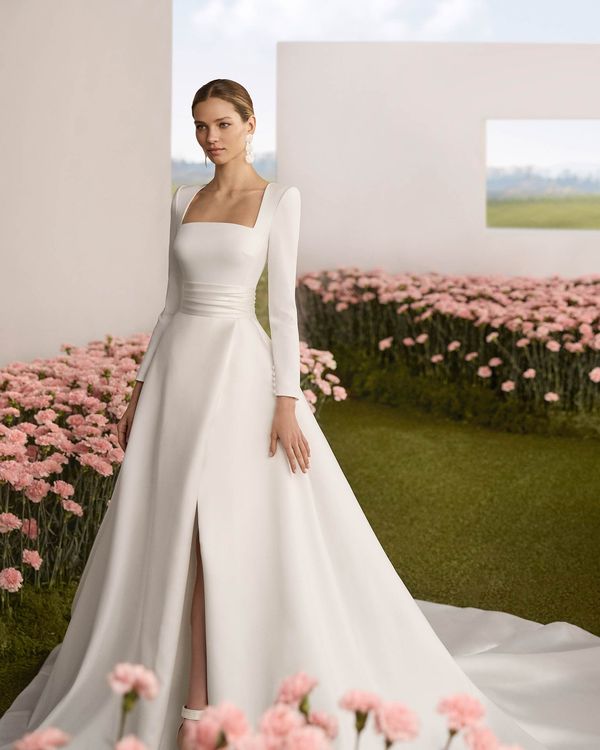
Soft structure, timeless ease
The A-line is often called the most universally flattering silhouette, but its real strength is its quiet balance. Fitted at the top, flowing gently downward, it never demands attention. It simply supports.
This style works beautifully for brides who want elegance without heaviness. It moves easily, photographs softly, and allows space to breathe. It is classic without feeling traditional, modern without feeling stark.
If you want a dress that feels calm and effortless, the A-line often feels like home.
The Ball Gown
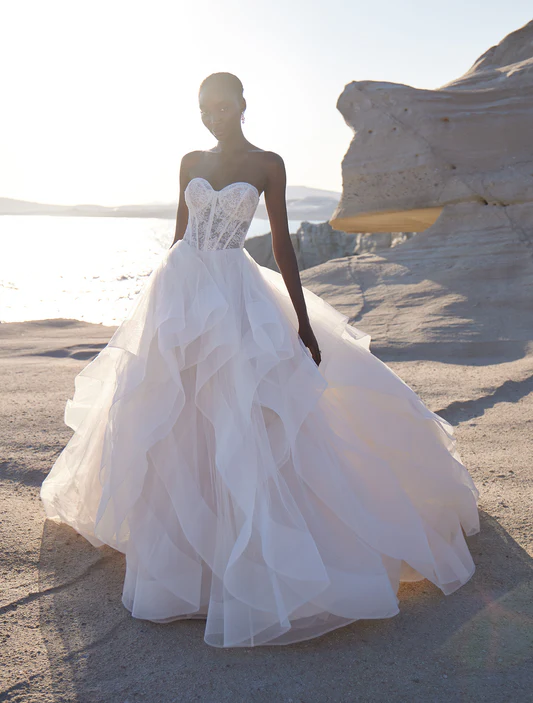
Volume, romance, and presence
The ball gown carries a sense of ceremony. A fitted bodice paired with a full skirt creates drama, but not necessarily excess. When done thoughtfully, it feels intentional rather than overwhelming.
This style is often chosen by brides who want to mark the moment. To step fully into the day. To feel held by the dress itself.
Despite its volume, a well-made ball gown can feel surprisingly grounding. Like stepping into a role that is both old and entirely your own.
The Mermaid and Trumpet
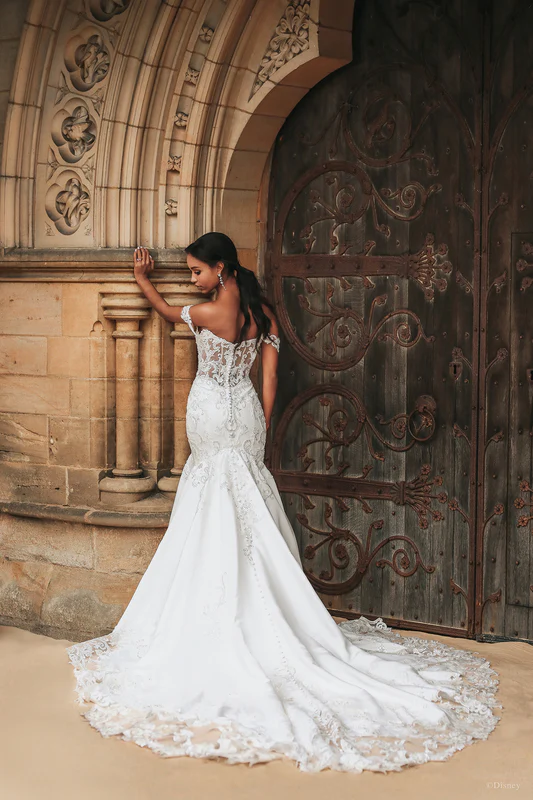
Form, confidence, and clarity
Mermaid and trumpet dresses follow the body closely before flaring outward. They are often described as bold, but at their best, they are honest.
These styles are for brides who feel comfortable being seen. Who enjoy structure. Who like clarity in shape and line.
The key to this silhouette is comfort. When it fits correctly, it feels powerful. When it doesn’t, it feels restrictive. Listening to your body here is essential.
The Sheath
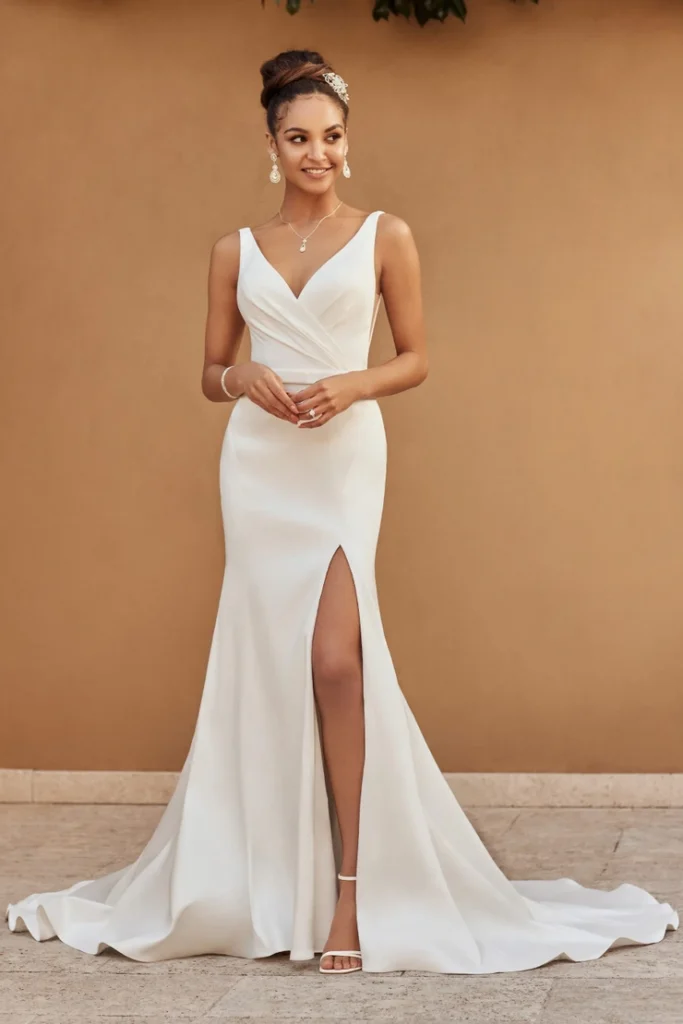
Minimal, modern, intentional
The sheath dress follows the body without clinging. It is clean, understated, and deeply modern.
This style works beautifully for intimate weddings, destination celebrations, and brides drawn to simplicity. It allows the fabric to speak, the movement to matter, and the person wearing it to remain the focus.
There is nowhere to hide in a sheath, and that is exactly why it feels so honest.
The Empire Waist
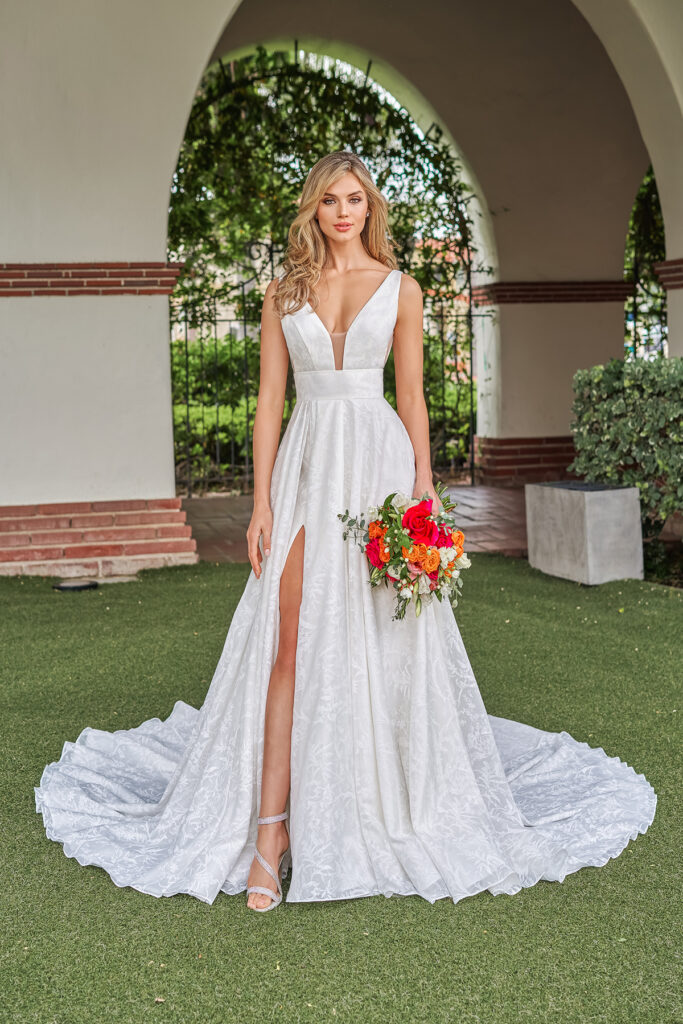
Softness and freedom
With its high waistline and flowing skirt, the empire dress feels gentle and forgiving. It creates length and ease, making it ideal for brides who prioritize comfort and movement.
This silhouette often feels less about shape and more about sensation. Light. Air. Flow.
It is a beautiful reminder that a wedding dress does not need to define the body to honor it.
Short and Tea-Length Dresses
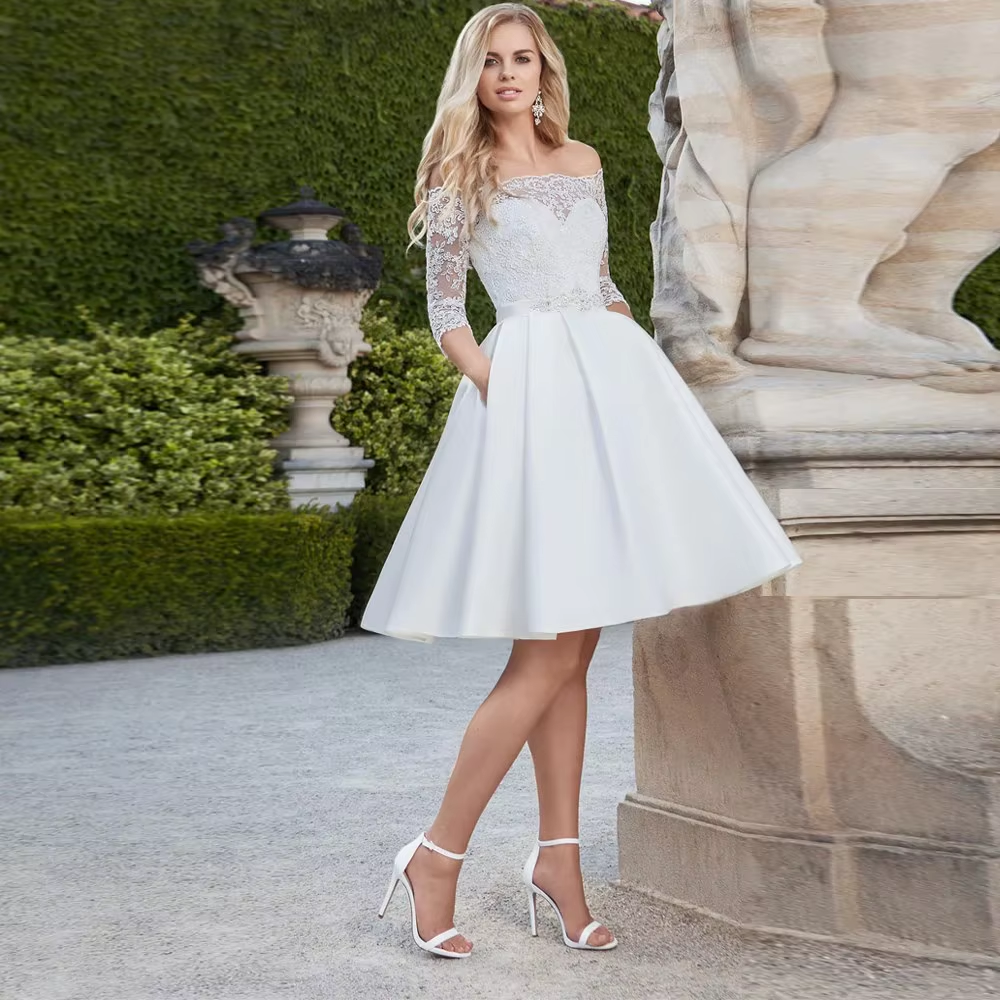
Playful, relaxed, unexpected
Shorter dresses offer a different kind of elegance. One rooted in ease rather than formality.
They are often chosen for city weddings, second looks, or celebrations that lean toward joy and movement. They invite dancing. Walking. Living fully in the day.
They are proof that tradition is flexible.
More Than a Silhouette
No dress style exists in isolation. Fabric changes everything. So does weight, texture, and movement. Lace tells a different story than crepe. Satin feels different than chiffon.
A dress is not just how it looks when you stand still. It is how it moves when you walk. How it feels when you sit. How it holds you when you hug someone you love.
That is where the right choice reveals itself.
A Final Thought
The most beautiful wedding dresses are not the most dramatic or the most talked about. They are the ones that allow the bride to disappear into the moment rather than into the fabric.
When a dress supports rather than performs, when it feels like an extension of who you are, you stop thinking about it.
And that is when everything else comes into focus.