What Is a Vintage-Inspired Wedding? A Beginner’s Guide
If you’ve been saving pins of candlelit ballrooms, disco-era florals, and dresses that look pulled from your grandmother’s closet, you’ve probably already fallen for the vintage wedding aesthetic without knowing what to call it. So what is a vintage wedding, exactly? At its core, it’s a wedding that borrows its color palette, attire, decor, or setting from a specific past era.
This guide covers what actually defines a vintage-inspired wedding, the eras couples are drawing from most in 2026, and how to start planning one without it feeling like a costume party.
What Makes a Wedding “Vintage-Inspired”?
A vintage-inspired wedding pulls its visual identity from a specific decade or design period, like Victorian, Art Deco, mid-century, or 1970s boho, to name a few of the most popular right now. The key word is specific. The strongest vintage weddings commit to one clear era rather than blending several eras’ worth of details into a single day. That would tend to read as confused rather than intentional.
That specificity shows up in a few consistent places: a patinated, slightly faded color palette instead of bright, high-contrast tones; period-appropriate attire silhouettes; antique or antique-style props and furniture; and a venue with real architectural character – think ballrooms, historic estates, or converted theaters – rather than a blank modern event space.
The Most Popular Vintage Wedding Eras Right Now
Not every “vintage” wedding pulls from the same decade. Here’s a quick look at the eras couples are leaning into most:
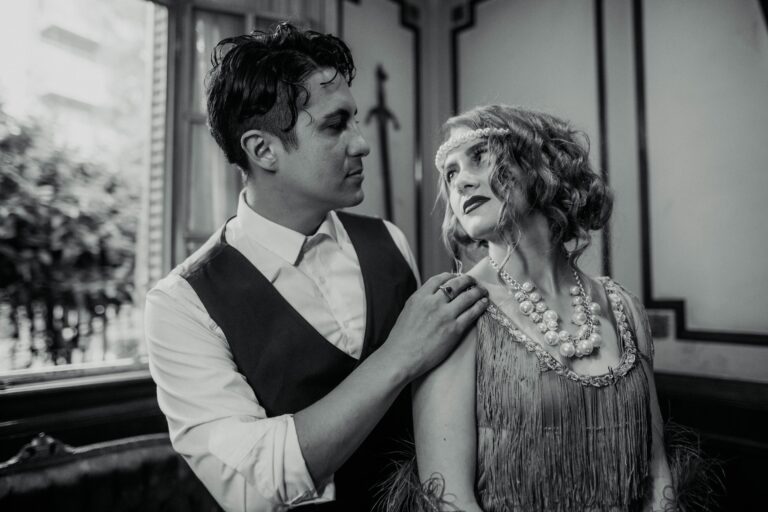
Art Deco (1920s)
Glamorous, geometric, and a little theatrical. Gold accents, feathers, bold black-and-white patterns, and jazz-age styling. This remains one of the two most searched vintage aesthetics for weddings.
Victorian
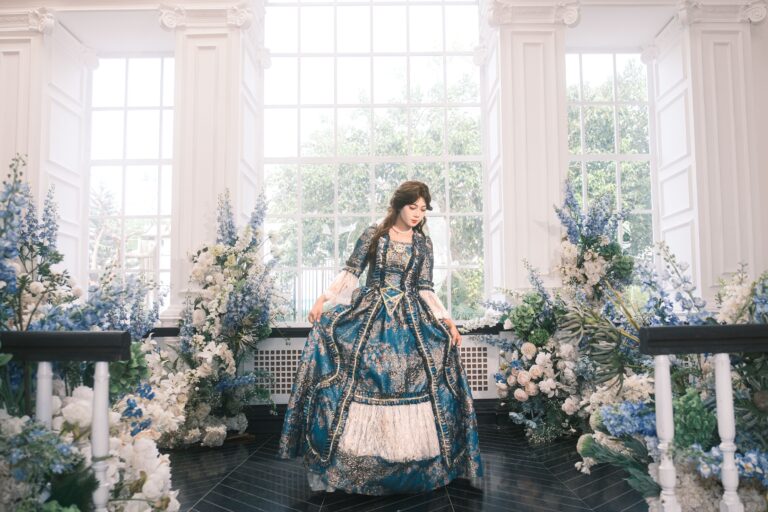
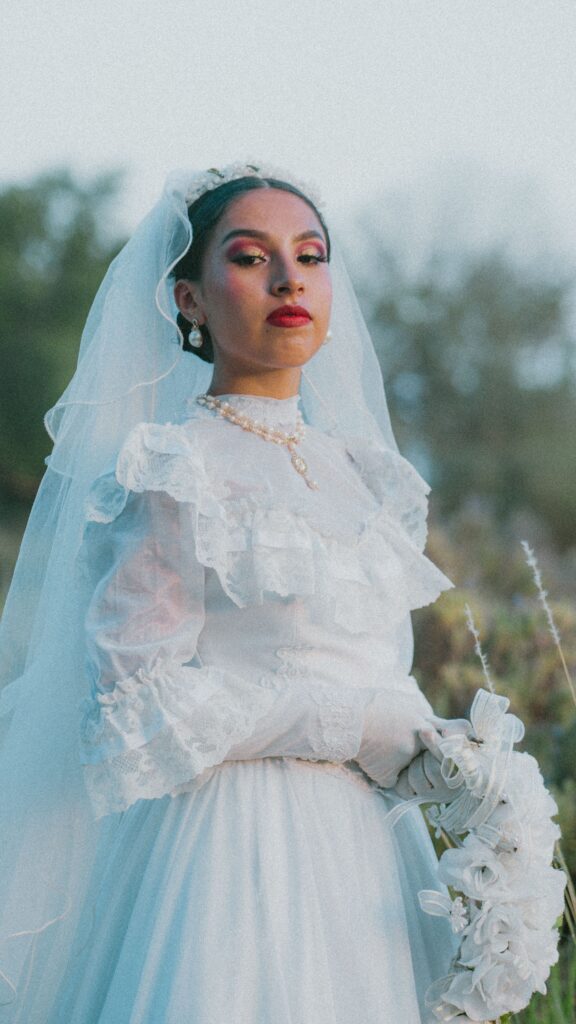
Romantic and richly detailed, with lace, deep jewel tones, ornate florals, and candlelit interiors. Alongside Art Deco, it’s one of the most consistently popular vintage directions.
Mid-Century
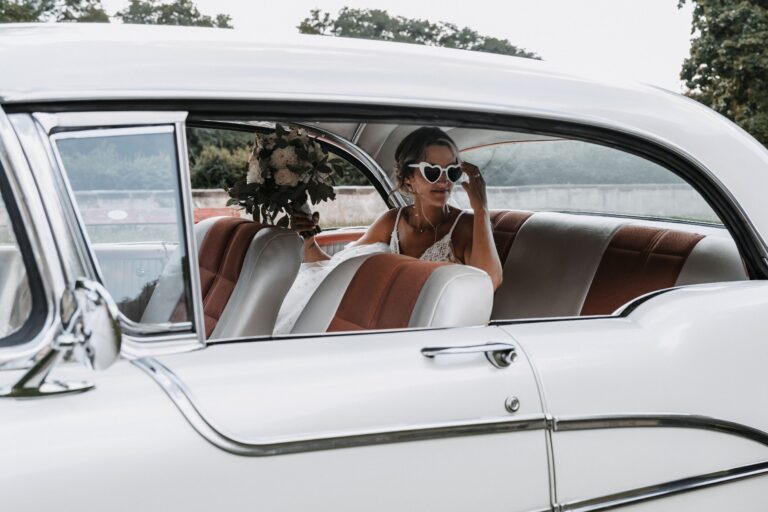
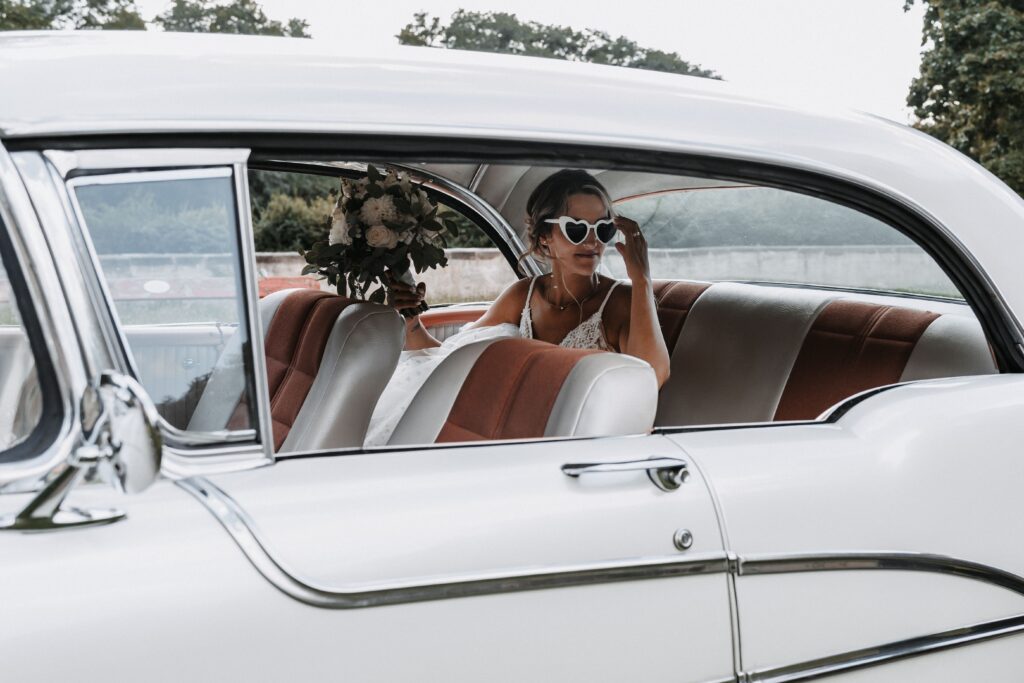
Clean lines, warm woods, and a slightly retro-glam sensibility. A softer, more understated take on vintage that works well for couples who want nostalgia without heavy ornamentation.
Edwardian Garden Party
Soft, airy, and floral-forward, with an emphasis on natural light and garden settings. It’s a gentler cousin of the Victorian look, with less drama and more pastel romance.
1970s Boho
Warm earth tones, flowing silhouettes, folk-inspired details, and yes – the occasional disco ball. This era has grown significantly in popularity, especially for outdoor and relaxed, sun-soaked celebrations.
How a Vintage Wedding Differs From Just “Old-Fashioned”
It’s easy to confuse a vintage wedding with a generally rustic, antique-adjacent, or “shabby chic” look, but they’re not the same thing. A vintage wedding is anchored to an actual time period, with attire, palette, and decor choices that could plausibly belong to that decade. A rustic or shabby-chic wedding, by contrast, borrows a worn or aged texture without necessarily tying it to a specific era.
The distinction matters for planning, because it changes how you source everything from your dress to your centerpieces. A true vintage wedding benefits from research into your chosen era’s actual details – even if you’re not recreating it exactly – rather than pulling generically “old-looking” items from anywhere.
Key Elements of a Vintage Wedding
Whichever era you choose, a handful of elements do most of the work in making a wedding read as genuinely vintage rather than just nostalgic in theme:
How to Start Planning a Vintage Wedding
- Color palette: vintage palettes tend to look faded or aged rather than bright and saturated. Dusty rose, warm ivory, and muted greens are a popular, universally flattering starting point.
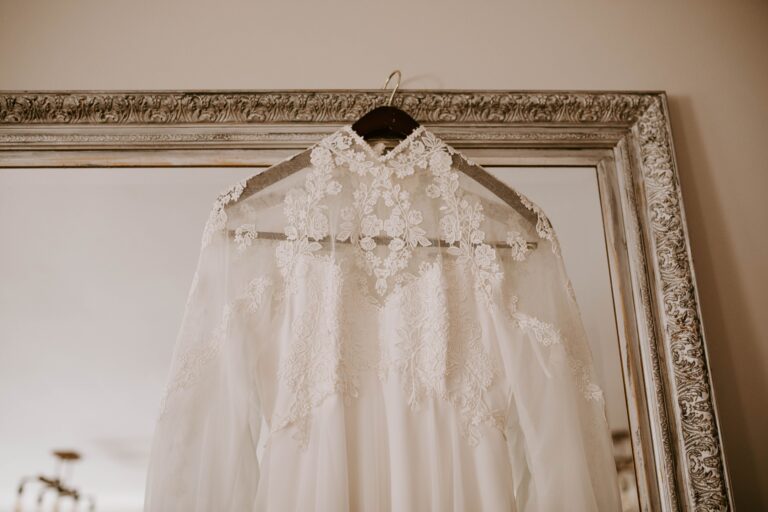
- Attire: silhouettes borrowed from your chosen decade, whether that’s a 1920s drop-waist gown, a 1970s billowed sleeve, or Victorian-inspired lace.
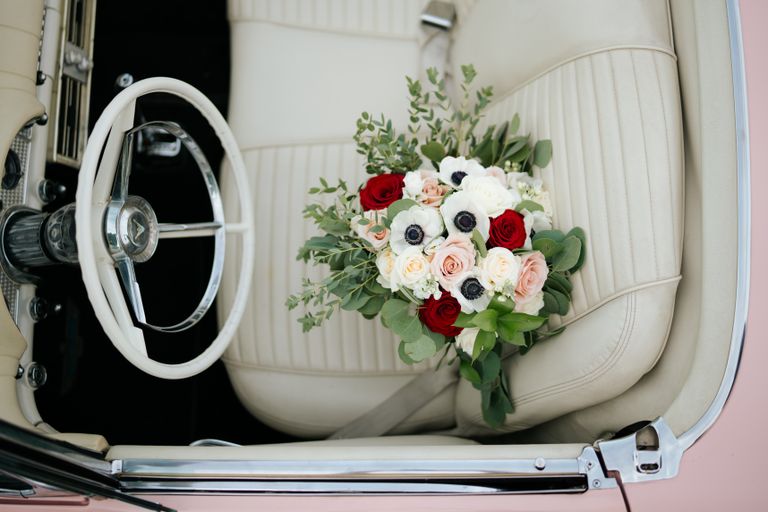
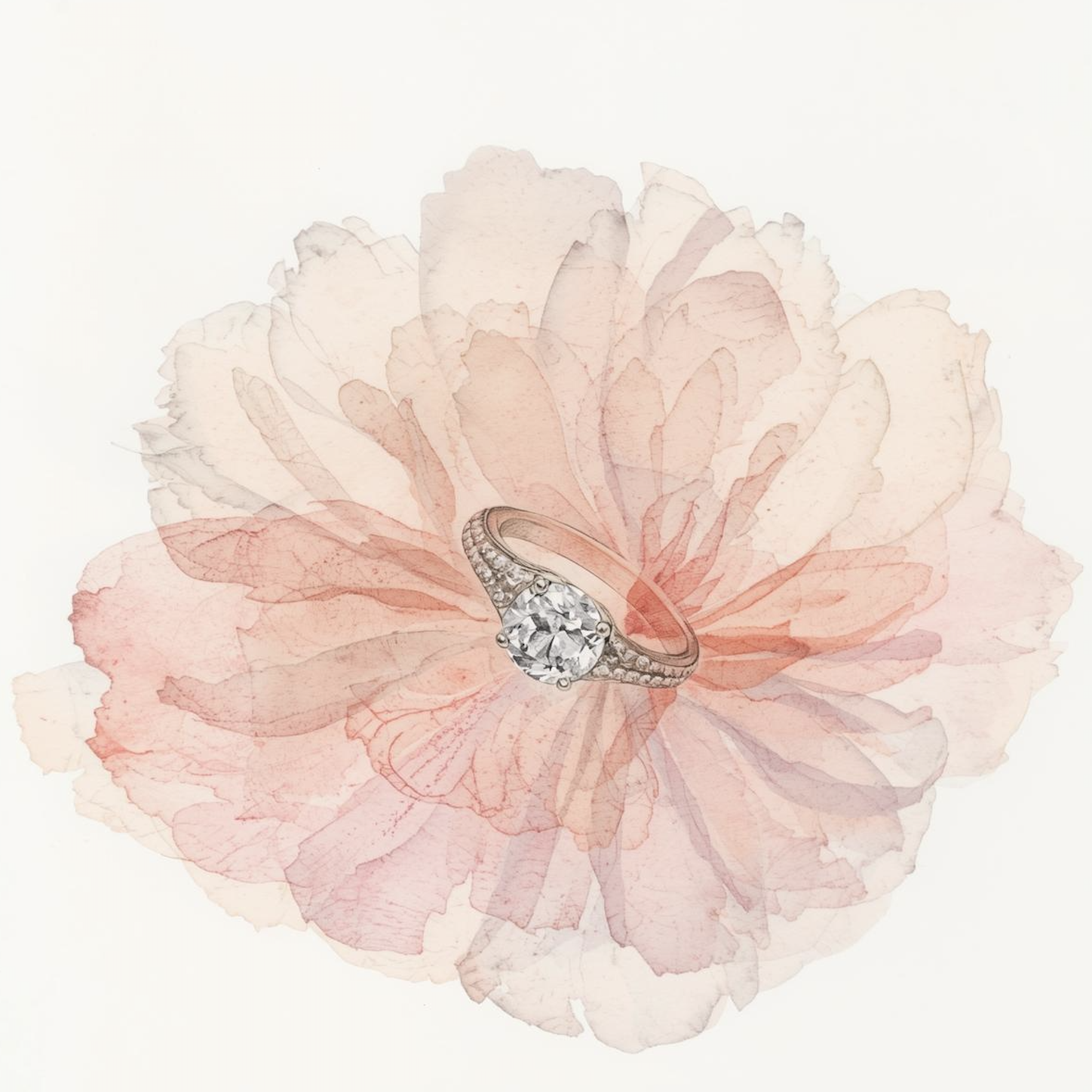
- Florals: muted, slightly aged-looking blooms rather than crisp, saturated ones. Dried elements and pressed botanicals also fit naturally into most vintage eras.
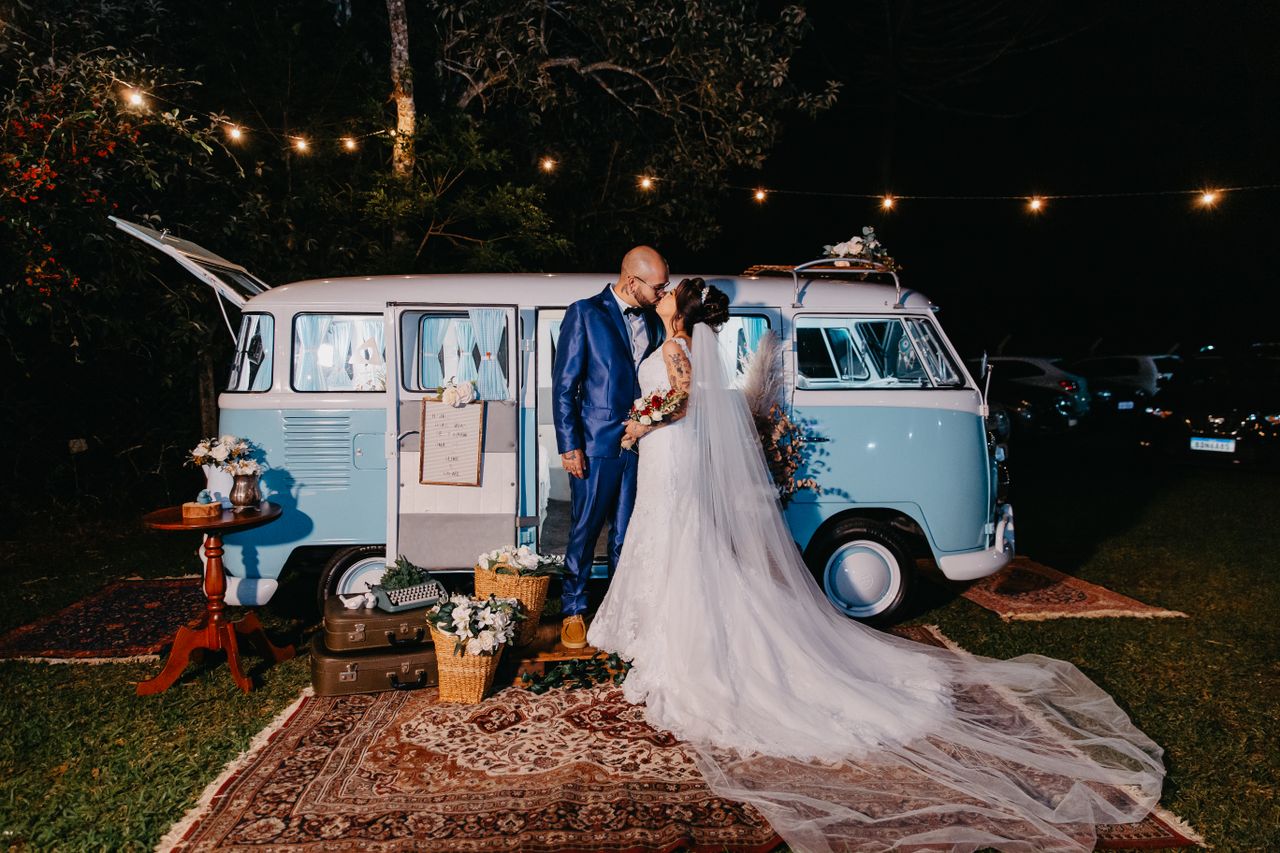
- Props and furniture: genuine antiques, family heirlooms, or well-made reproductions that match your era’s shapes and materials.
- Venue: a space with real architectural or historic character does a lot of the visual heavy lifting, often more than any single decor choice.
If the aesthetic appeals to you but you’re not sure where to begin, this order tends to work well:
- Pick your era first. Everything else (palette, attire, venue) flows from this decision, so it’s worth spending real time here before booking anything.
- Research your era’s real details. Look at actual photography, fashion, and design from the period, not just other people’s Pinterest boards, to avoid a generic or inaccurate take on the aesthetic.
- Choose a venue that already fits. A space with existing period character will always look more convincing than a modern room dressed up to imitate one.
- Build your palette before your decor list. Locking in colors early keeps every other decision (flowers, linens, stationery) consistent.
- Decide how far you want to commit. A full head-to-toe recreation and a few nostalgic touches woven into an otherwise modern wedding are both valid – this is a spectrum, not an all-or-nothing choice.
If you want to see how this looks across every era in practice, 50 vintage wedding ideas for every era is a good next stop, and if you’re torn between two specific decades, our Art Deco vs. Victorian comparison breaks down which one might suit your style.
Key Tips
- Commit to one primary era rather than mixing several – specificity is what makes the look read as intentional.
- Choose a venue with genuine architectural character before you worry about decor.
- Look at real historical references, not just other vintage wedding posts, for the most authentic details.
- Lock in your color palette early so every other decision stays consistent.
- Treat “vintage” as a spectrum – a few well-chosen touches can be just as effective as a full era recreation.
Frequently Asked Questions
Ready to Start Planning
A vintage-inspired wedding isn’t about recreating a decade exactly — it’s about borrowing enough of its character to make your day feel distinct, warm, and a little timeless. Once you’ve picked the era that speaks to you, the rest of the planning process becomes much more straightforward.
Next, browse 50 vintage wedding ideas for every era to see the aesthetic in action.